Safeguarding Spotlight: Fetishisation of Girls with Down Syndrome Online
-
by
Lasting Support
- No Comments on Safeguarding Spotlight: Fetishisation of Girls with Down Syndrome Online
At Lasting Support, we’re deeply disturbed by our findings that there has been a serious and widespread fetishisation of young girls and women with Down syndrome occurring through AI filters and adult-leaning social media content.
Here’s what we’re seeing:
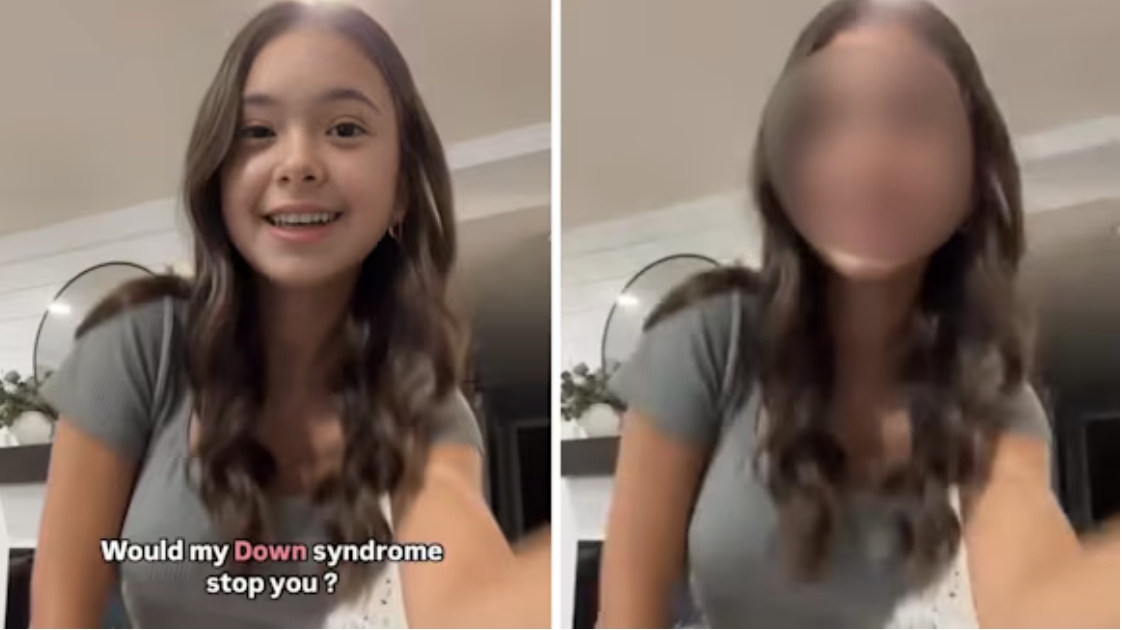
On platforms like TikTok and Instagram, AI filters are being used to add Down syndrome facial characteristics onto models or influencers in scantily clad and sexualised poses. These videos frequently include captions like “Is Down syndrome a dealbreaker for you?” and direct viewers to OnlyFans or similar sites through links in their bios.
We must make it clear that this isn’t representation. It’s exploitation. The creators don’t have Down syndrome; they’re using its appearance to monetise a taboo fetish. Not to mention that there has been a related phenomenon with the use of harmful narratives suggesting girls with Down syndrome are more “affectionate” or “easy” — implying consent without autonomy, which is both misleading and dangerous.
This trend:
- Reinforces harmful stereotypes: It portrays people with Down syndrome as infantilised or “permissive,” which can facilitate grooming and abuse.
- Increases vulnerability: Girls with disabilities are already at higher risk — this deepens their exposure to sexual harm
- Harms real people: These AI-created portrayals overshadow genuine voices and lived experiences, including dignity and consent
Advice for Parents & Professionals
- Teach consent vs affection
Help children understand that affection does not mean they must give consent. Everyone has the right to refuse.
- Monitor online use and spaces
Talk with young people about what they see online. Be aware that even algorithms and filters may push problematic content.
- Watch for grooming signals
Sudden behaviour changes, isolation, or secretive activity may signal emotional manipulation.
- Push back on ableist content
Report videos/accounts that exploit disability and challenge ableist narratives in your networks.
- Offer safe support pathways
Ensure that any concerns about online threats are responded to promptly, confidentially, and with a frame of dignity and trust.
Our Role and Next Steps
At Lasting Support, our trauma-informed ethos is to empower children and families to be heard, respected, and safe online and off. We’re committed to extending training, safe disclosure pathways, and professional support for those working with girls and young people with disabilities.
If you’re concerned about this issue or want to build safer online environments, contact info@lastingsupportservices.com and check out our website to explore our safeguarding training and workshops.