Firebird Stuns at its Southwark Playhouse Revival
 Payzee Mahmod
After spending our Friday night at the theatre, we’re still thinking about it.
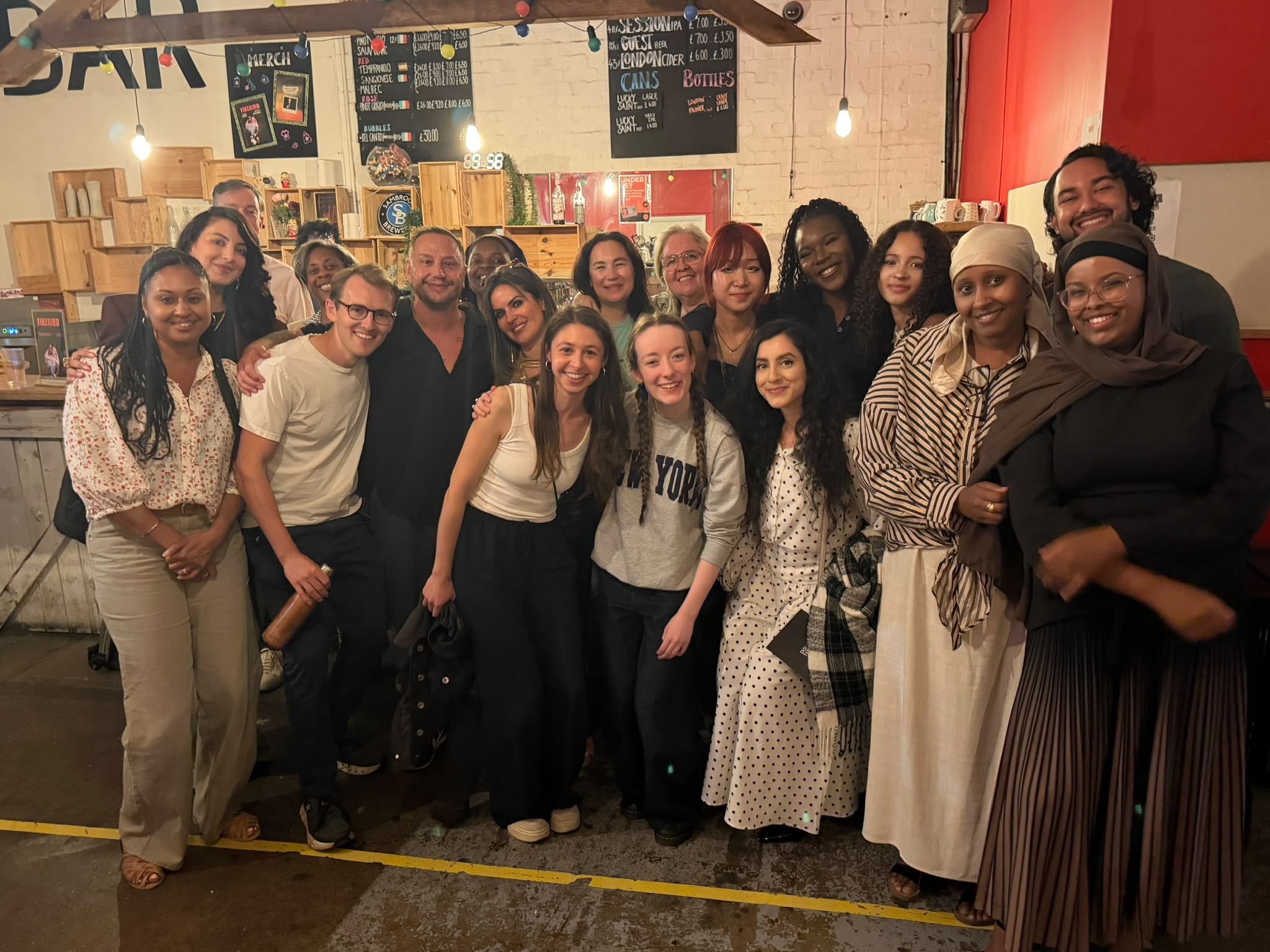
Our team, service users, volunteers and trustees went to the theatre to watch Firebird by Double Telling. We were proud to be one of the charity partners for this production. Given our work with children in care alongside grooming, exploitation and young people, it felt like the right fit from the start.
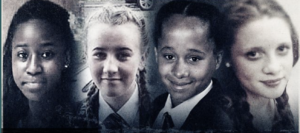
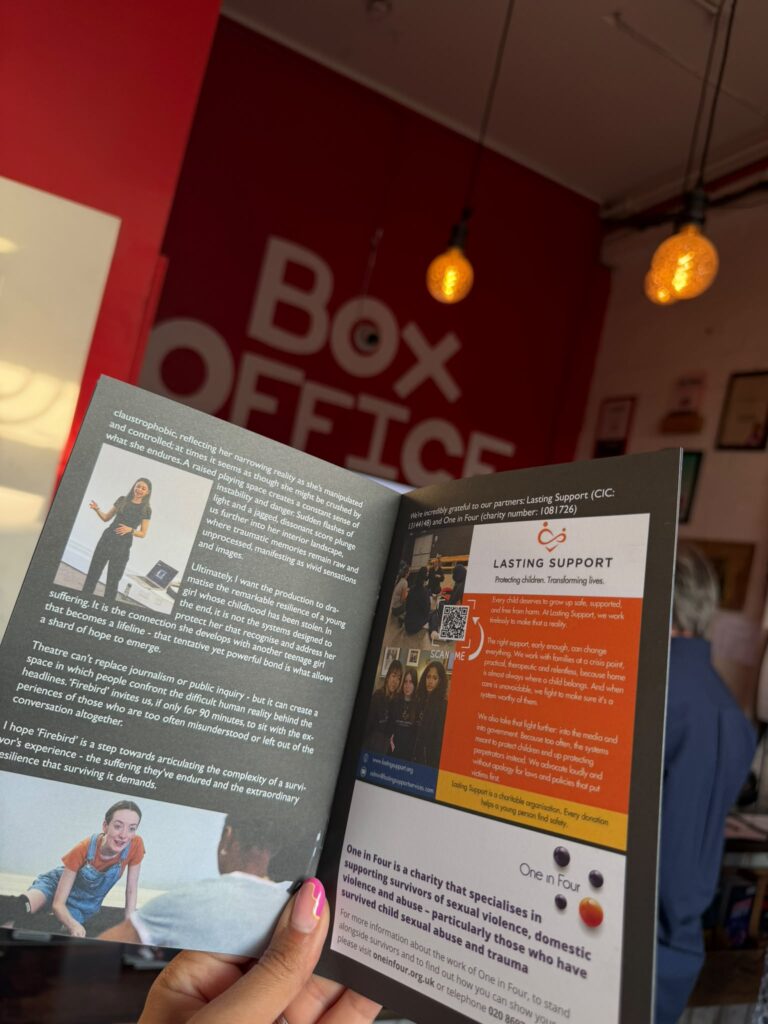
A decade on from its highly acclaimed West End transfer from Hampstead Theatre, Firebird was revived this summer at the Southwark Playhouse with direction from Marlie Haco. The play follows two teenage girls, Tia and Katie, who meet at a youth centre. What starts as an ordinary friendship, silly games, teasing, and the small intimacies of being fourteen shifts as one of them is exploited by an older man. Entertainment isn’t the primary objective of Firebird. It’s the message. This play will guide you through Mollie Milne, Taqi Nazeer and Kelise Gordon-Harrison’s performances. The characters and their stories are both incredibly precise and alive to the point that the room around us barely seemed to breathe in case they missed a beat. Between the stripped-back staging, sound design which crawls under your skin and a lack of interval, we were captivated.
What was most striking about Firebird is what it refuses to do. It never flattens these girls into headlines. It never turns them into a case file or a statistic. It lets them be funny, sharp, difficult, loving, frightened children, in other words. And then it shows you, without flinching, what happens when the adults and the systems around them fail to listen. For those of us who do this work every day, that’s the part that landed most. We recognised those scenes, and have sat with young people who have lived them. The systemic failures Firebird shows are ongoing, not historic, and that’s exactly why we needed to be in that room.
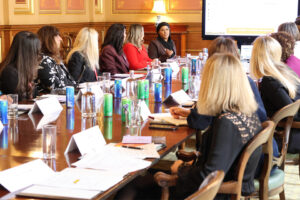
Alongside this monumental performance, we were so proud to witness our trustee Chris Wild on the post-show panel. Chris spoke with the honesty and clarity he always brings. It’s one thing to watch a story about the care system and about children being failed, but it’s another to hear from someone who can speak not only about what it takes to be believed but what has to change. Other speakers included Natalie Johnson from Amour Destiné, an organisation that helps women affected by, but not limited to traumatic care experiences, cultural harmful practices, domestic abuse and/or sexual violence work towards building the lives they desire. She spoke on the pressures facing social workers and police. At Lasting Support, we are more than familiar with the number of caseloads and time constraints that come up in nearly every conversation about practice. We know that these are real pressures professionals are working under, but when it comes to children, it cannot be the deciding factor. Safeguarding has to come first, despite the caseload amount. Firebird also does not shy away from discussing how the sheer amount of casework directly impacts the young people involved. The pressure on professionals, no matter how heavy, must not be visible to the young person, who was meant to be protected. A young person watching the adults meant to protect her from weighing up their workload out loud is a young person who may decide it isn’t worth speaking up at all.
Furthermore, Natalie discussed the specific barriers black and minoritised victims face within the care system after already having to go against the impossible. She acknowledged how race shapes whose stories get told and believed. Media coverage of grooming and exploitation overwhelmingly centres white victims, which means black and minoritised girls experiencing the same abuse are far less visible. She also argued that far-right narratives about grooming have built a specific, false picture of who counts as a victim and who counts as a perpetrator, and black girls in particular are too often placed on the wrong side of that line, treated as complicit or criminalised rather than recognised as the children they are.
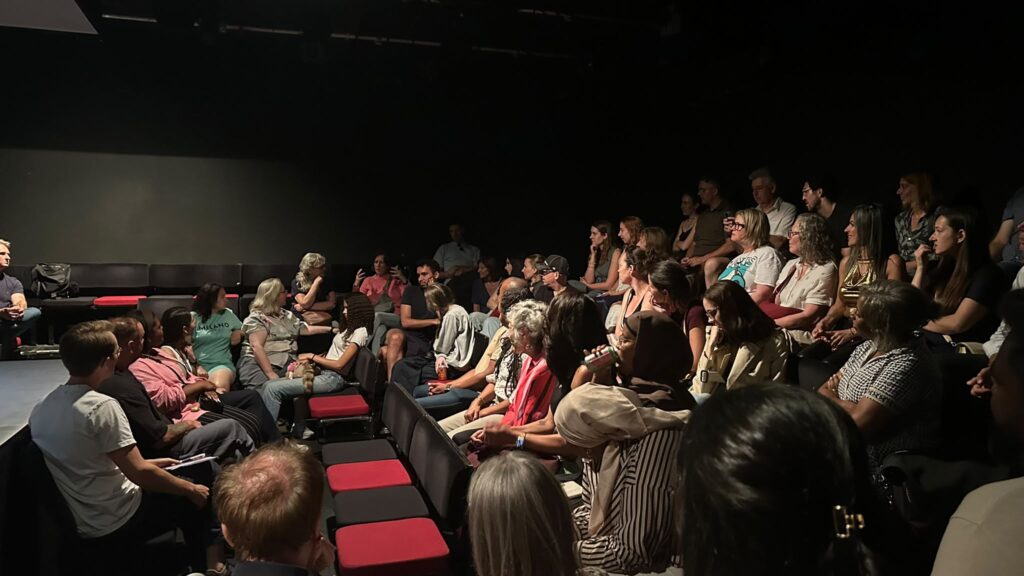
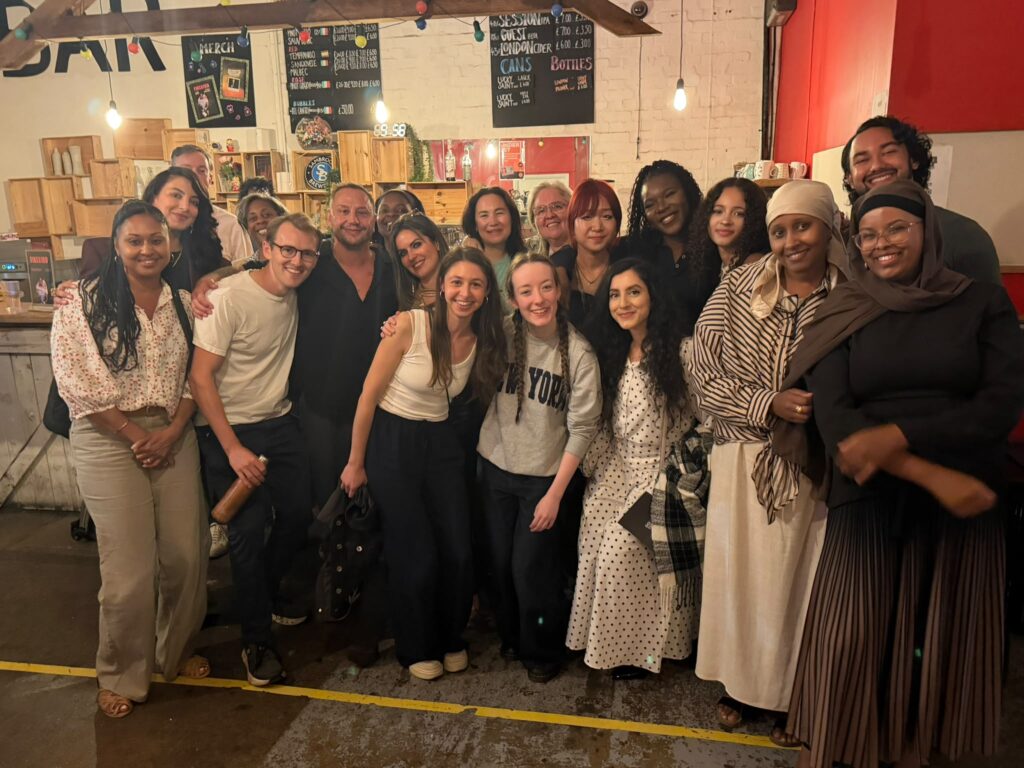
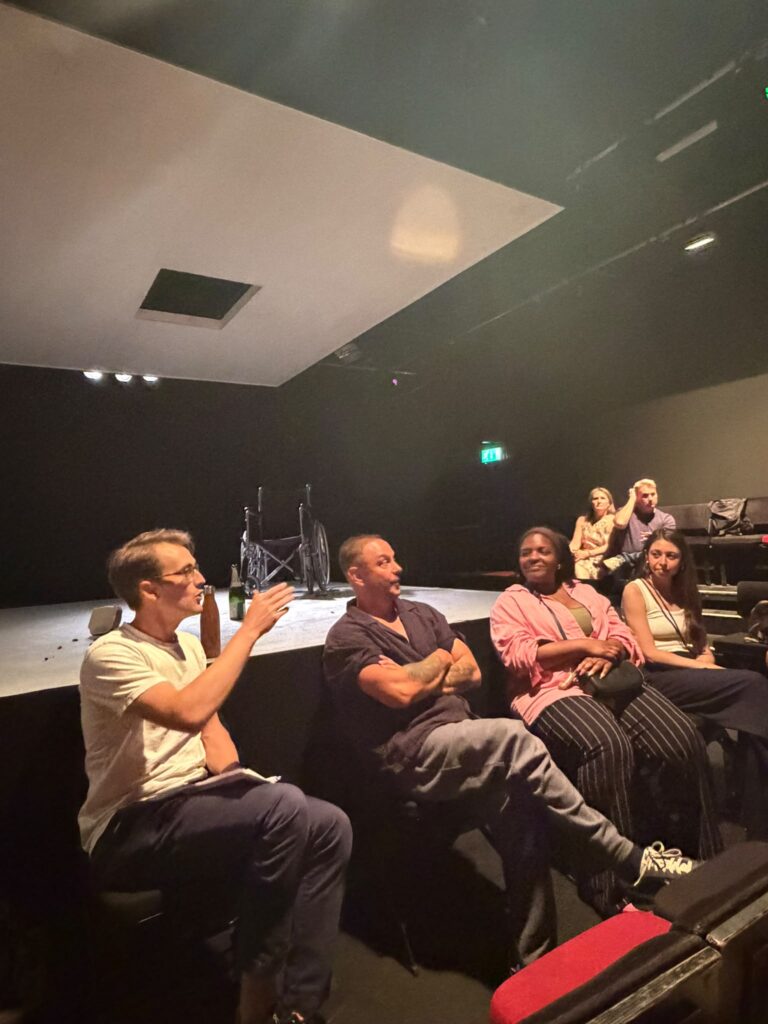
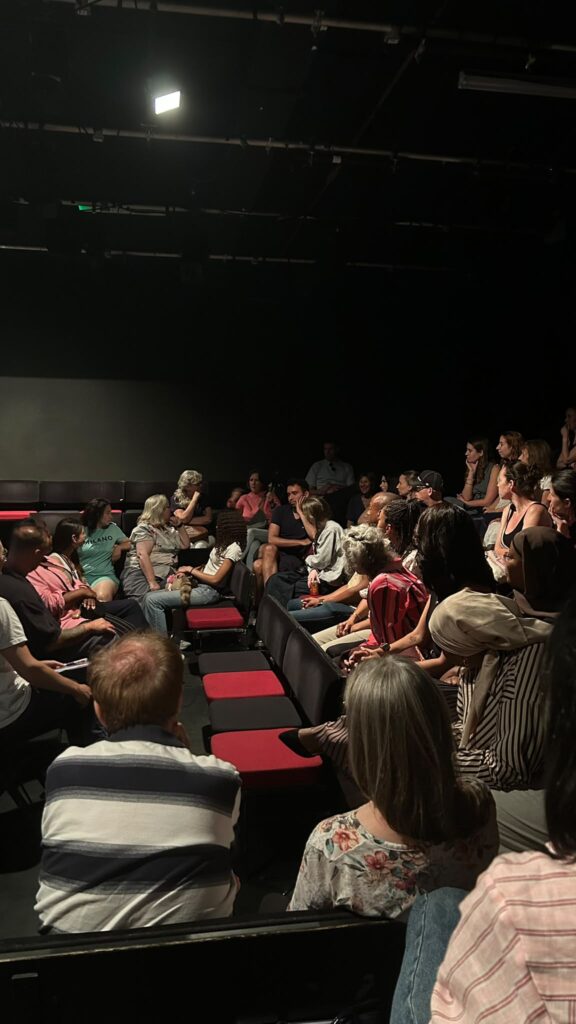
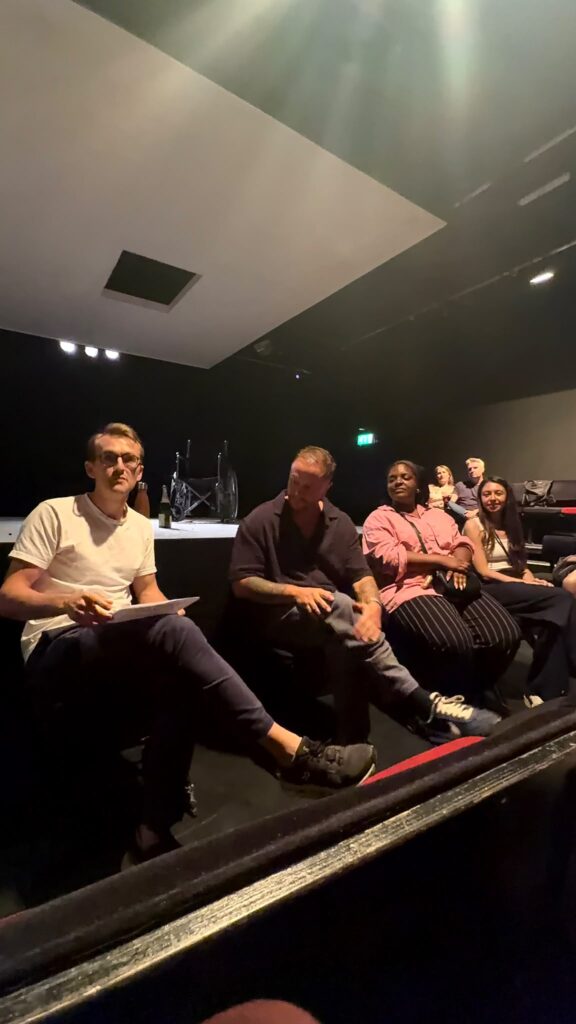
After the panel, questions were opened up to the audience, and there was one question in particular which stayed with us. An audience member asked about the victim’s “addiction” to going back to her abuser. The framing of grooming as addiction is frankly uninformed, given that what is actually happening is a profound power imbalance. It is not a child “getting love from the only person who’ll give it to her.” Language like that quietly shifts responsibility onto the child, which isn’t hers to carry. No matter how it looks from the outside, children are always victims in these situations, full stop.
Firebird was written more than a decade ago, specifically after the Rochdale and Rotherham cases came to light. This revival moves the story to Glasgow, and that relocation makes it clear that this has never been the issue of any particular town or culture. Plays and conversations like these are exactly why this partnership matters. At Lasting Support, our belief is that families should be kept together whenever possible; the care system, whatever its intentions, is not a safe place for so many of the children who pass through it, and separating children from their families should be a last resort, not a default. But we hope that stories such as these push us forward to reform the care system and ensure it’s a safe space for any young person who engages with it.
Please see Firebird—take a colleague, your team, your friend. If you work in safeguarding, education, social care, policing or health, take the people you work alongside and then go for a drink afterwards and talk about it properly. It will do more for your practice than most training days. And if you’re a survivor, or this is close to home for you, please look after yourself first. It is a tough watch, and there is no shame at all in deciding it isn’t for you right now. There are other ways to be part of this conversation, and we would love to hear from you.
Firebird by Phil Davies, directed by Marlie Haco, produced by Double Telling and showing at Southwark Playhouse until the 7th August 2026, so there really isn’t long left
Age guidance 16+. No interval, no re-entry, and a strict no-latecomers policy. Contains strong language, violence, substance abuse, and references to sexual assault and suicide.